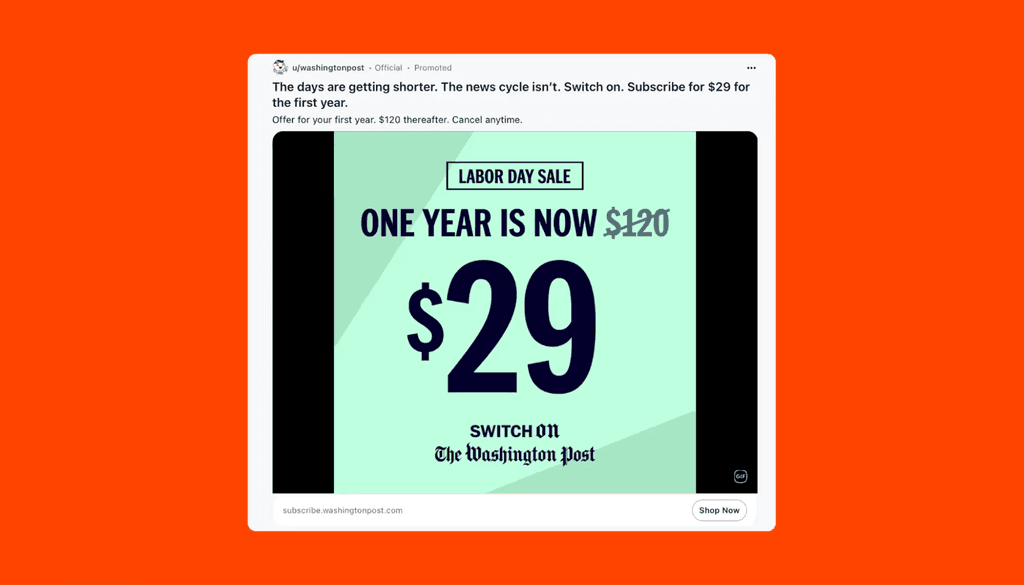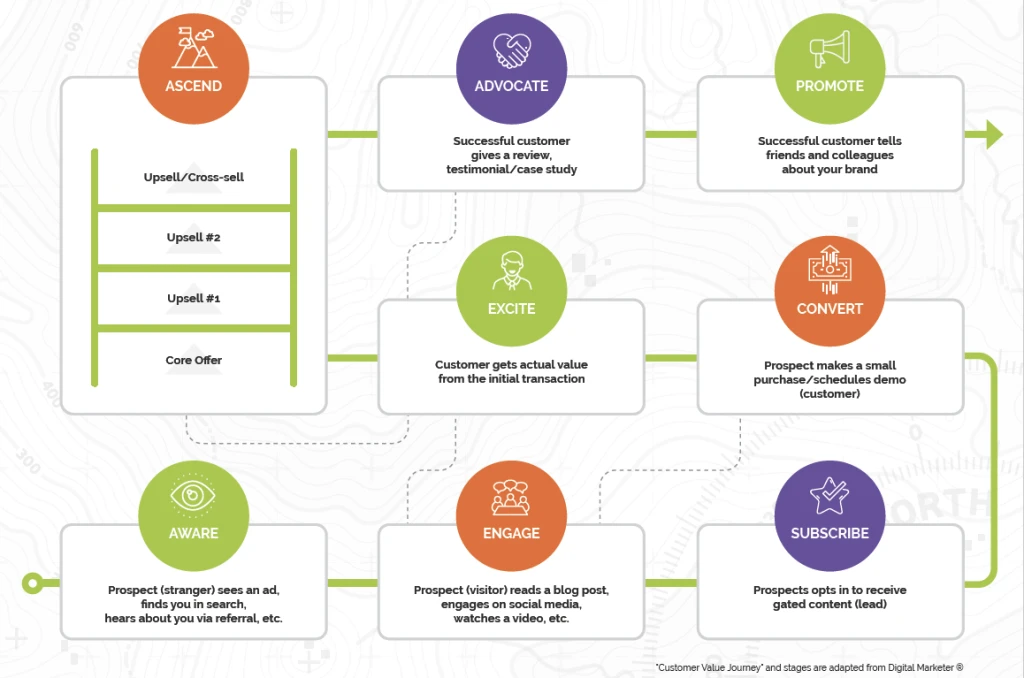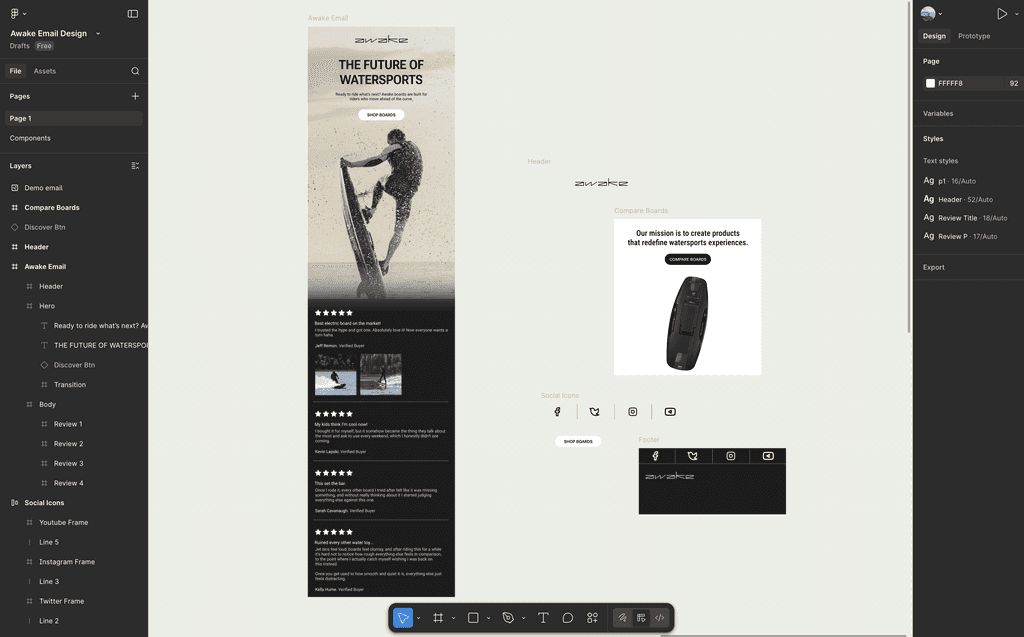
Email marketing is absolutely necessary for e-commerce brands. On average, it generates $36 in revenue for every $1 spent, making email one of the highest ROI channels available. Let's take a look at how to actually implement it.
*I'll cover advanced segmentation and list growth strategies in a follow-up post.
Set Up Your Klaviyo Account
The first step is getting your Klaviyo account ready.
Create your account on Klaviyo and connect your e-commerce store. Klaviyo integrates with platforms like Shopify, WooCommerce, and BigCommerce.
Install tracking so Klaviyo can monitor important events like purchases and add-to-cart actions. This ensures you can trigger emails based on customer behavior.
Once your account is set up, you’re ready to start building up your list!
Create a Popup
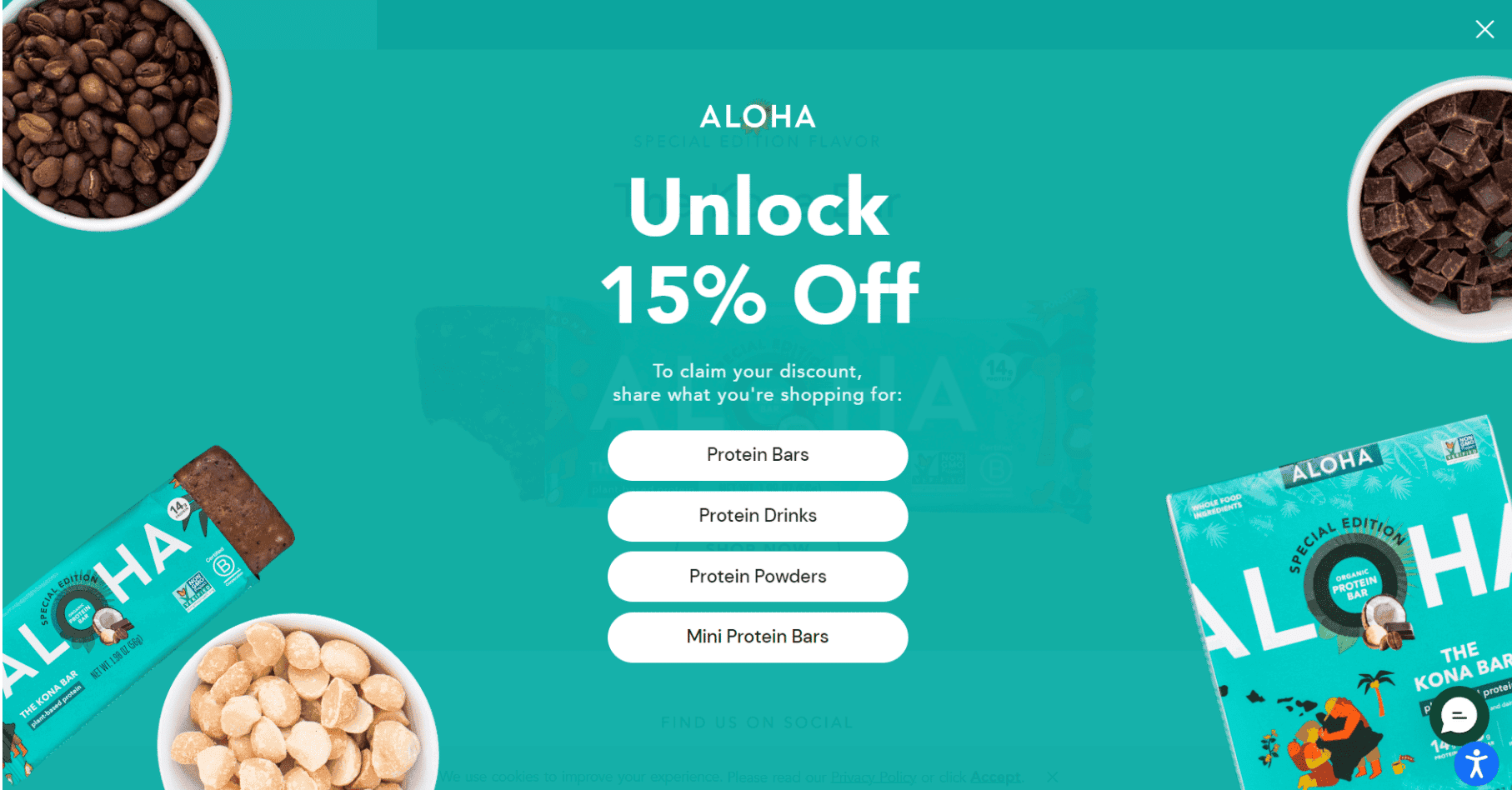
The next step is capturing your visitors’ emails through a popup. The trick is to offer more than a generic "10% off" discount (mystery discount, free gift, etc).
Here are some ways to improve your sign-up rate by 20-30%:
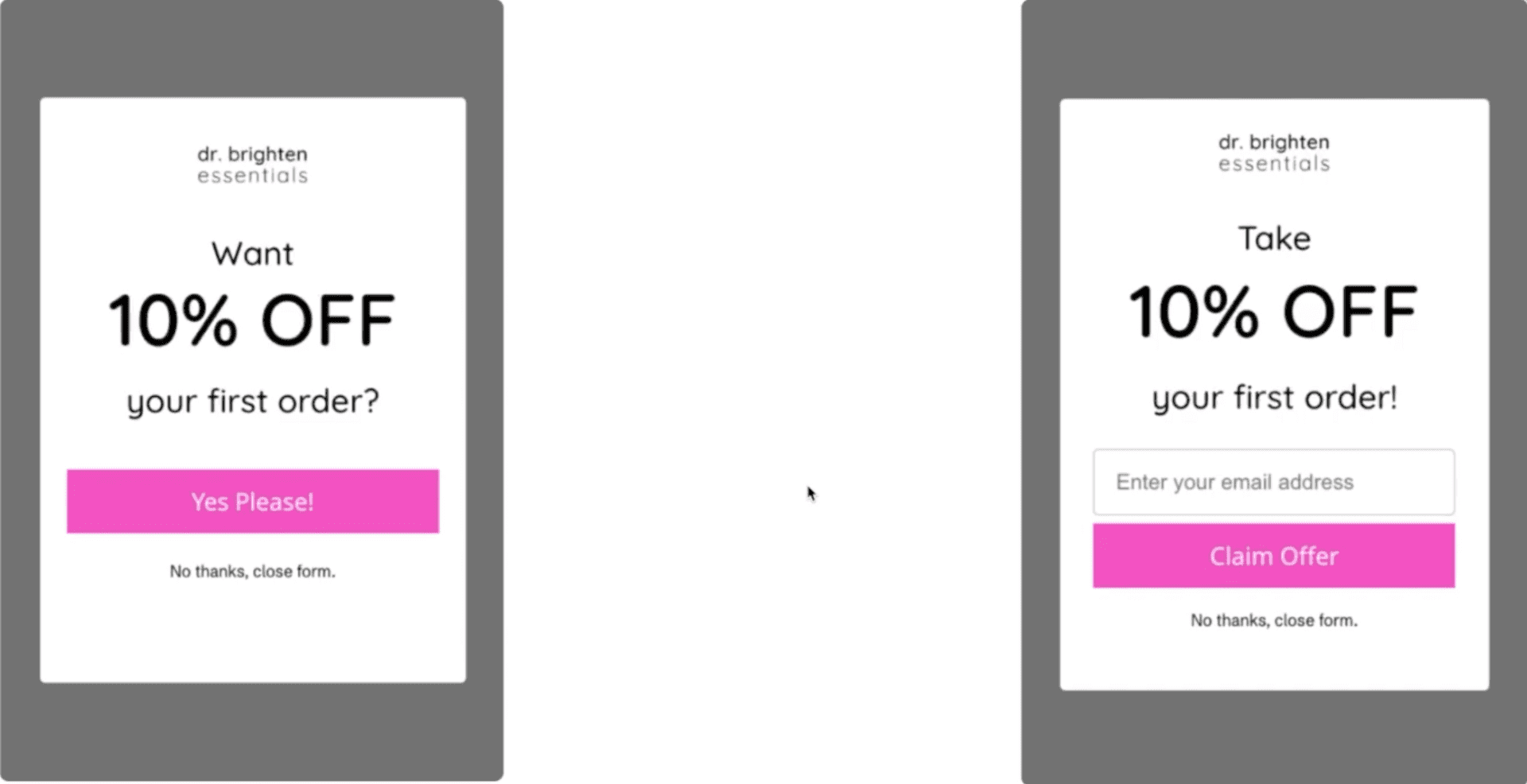
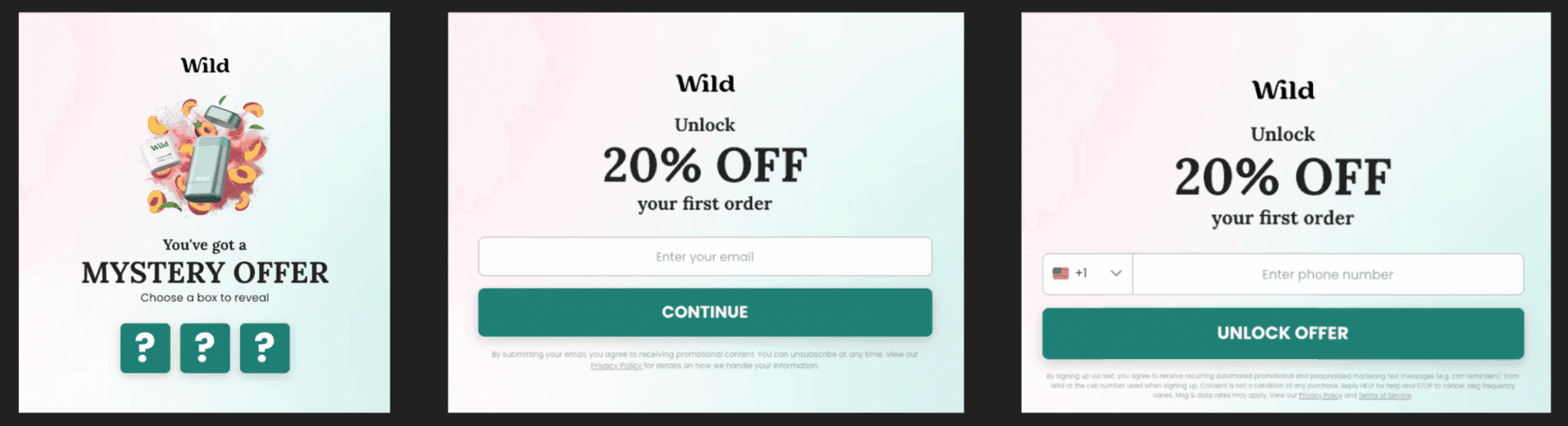
Use Micro-Commit Forms: Use a two-step form to trigger commitment bias.
Use a quiz form: Personalize your form to the visitor.
Use a mystery offer:
How to know if your popup works
What makes a pop-up convert: Proper timing (4-12 seconds), single request (email first, SMS second), large form size, minimal copy.
Sub:unsub ratio: For every 3 new subscribers, you should have no more than 1 unsubscribe. That's a 3:1 ratio minimum.
Plan Your Email Flows
Email marketing can generate up to 40% of your stores revenue, on average. Automated flows should be around half of that.
Key flows to set up include:
Welcome flow for new subscribers
Abandoned cart flow to recover lost sales
Post-purchase flow to encourage repeat purchases
Browse abandonment flow to recoup customers who browsed the site
Win-back flows to win back customers after a set period of time
The BARE MINIMUM are the welcome and abandonment flows.
The Welcome Flow
The most important flow you'll ever build (Email #1 should get 60-80% open rates). Ideally 4 emails, minimum 1.
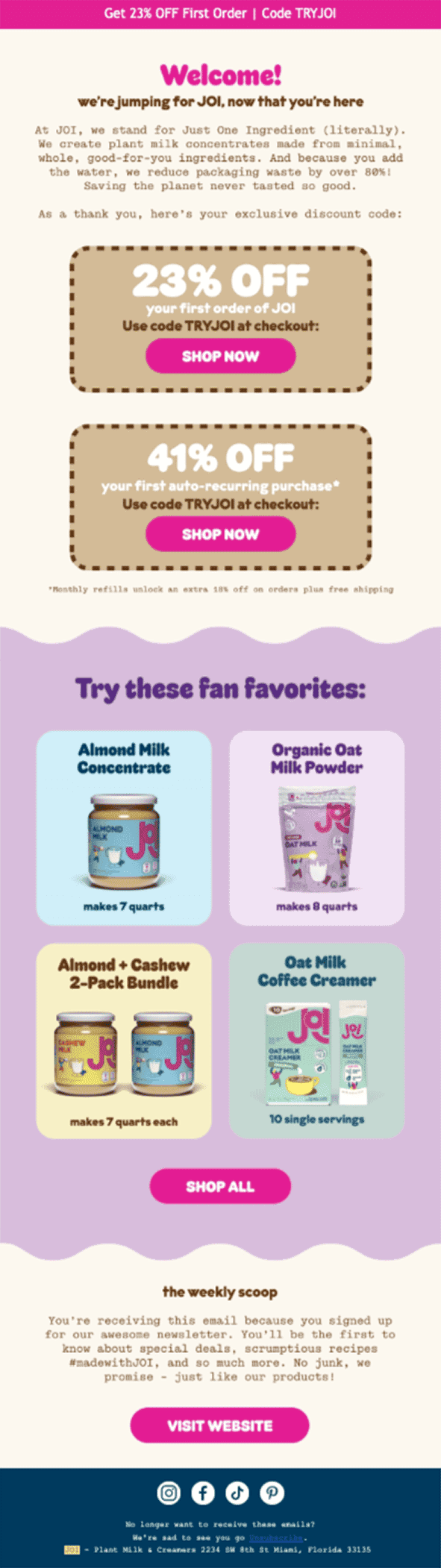
Email 1: Deliver the discount + brand background
Email 2: Founder or brand history
Email 3: Text-based pattern interrupt
Email 4: Last chance (urgency)
Here's an example of that first welcome email:
B. The Abandonment flow
= Cart, checkout, site, and browse abandon flows.
After the welcome flow, these are the highest convertir emails. The trick here is to stand out. Most store emails are boring and expected.
Tips to improve your conversion rate:
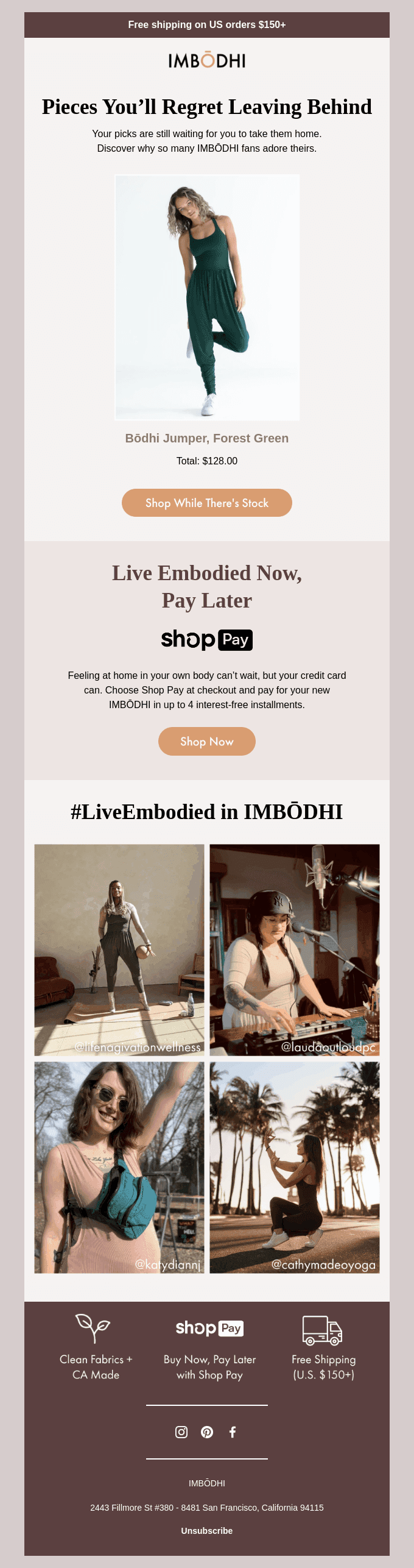
Subject line: "Your order is ready to ship" or "We saved your cart"
Show the exact product they abandoned (dynamic content block in Klaviyo)
Remind them of the discount or free shipping
Add urgency: "Expires in 24 hours" or "Low stock"
Multiple CTAs throughout the email
Here's an example:
Plan Your Email Campaigns
Once your flows are live, get started on creating campaigns. Flows handle intent-based purchases, but campaigns drive awareness.
Some campaign ideas: A product feature or benefit, testimonials, how to use the product, FAQ, behind the scenes, team photos, brand story, common objections, etc.
How many should I send? Good question.
Start at 2x/week and scale to 4x/week as soon as possible.
Here's an example by REI:

Next Steps
At this point, your email marketing is up and running. You have your account set up, a popup collecting emails, automated flows working, and a plan for campaigns. Next up, you can get to work on your list segmentation, testing popups, and preparing better campaigns.